
Low friction rings

Low-Friction Rings for Sailboat Running Rigging

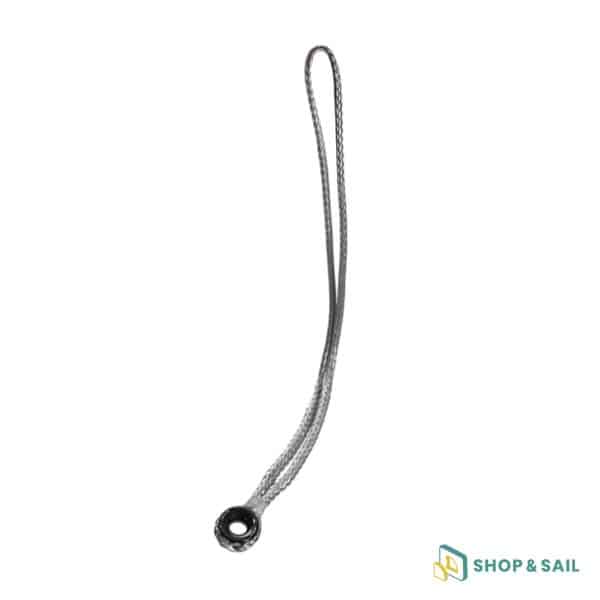
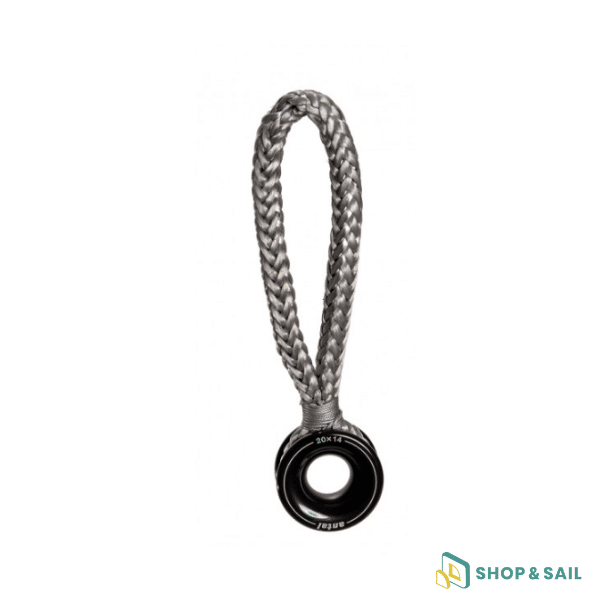
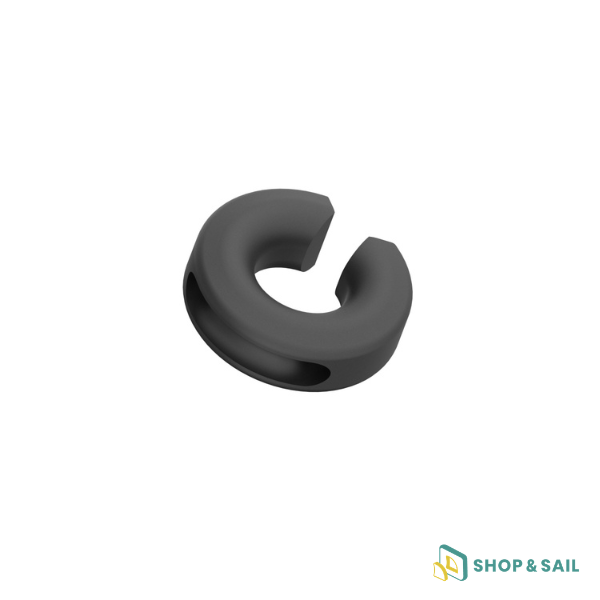
Lightweight, compact, and virtually indestructible, low-friction rings have replaced traditional blocks across many high-load, low-travel applications on modern sailboats and catamarans. Browse our selection of hard-anodized aluminum rings within our deck fittings and blocks range.

Where to Use Low-Friction Rings on Board

Because they have no moving sheaves or bearings, low-friction rings handle extreme static loads without maintenance:

  • Barber haulers and jib sheet in-haulers: adjust sheeting angles cleanly with minimal weight on the foredeck.

  • Mast-base halyard deflections and reefing lines: guide lines smoothly toward jammers and cam cleats.

  • Lazy jacks, backstay cascades, and furler line guides: pair seamlessly with soft shackles and Dyneema loops from our seamanship accessories and mast fittings collections.

How to Size a Low-Friction Ring

Match the center hole diameter to your working line diameter (typically 1.5x to 2x the rope thickness to avoid binding) and verify the groove width so your Dyneema strobe or lashing seats snugly without chafing.

Frequently Asked Questions

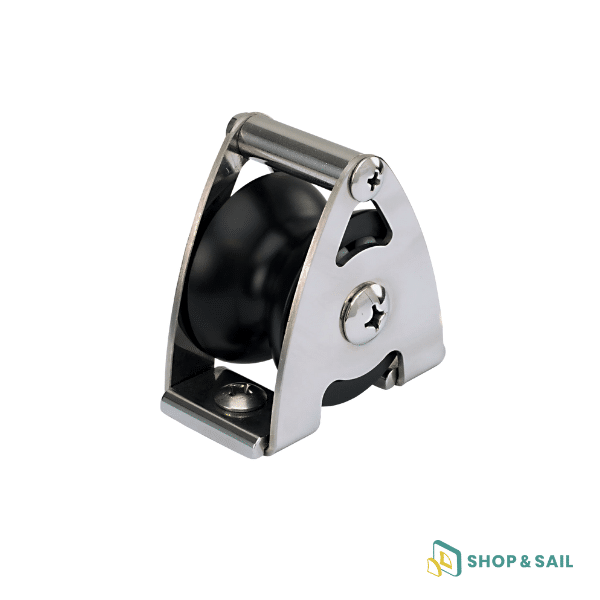
When should I choose a low-friction ring instead of a ball-bearing block? Use low-friction rings for high-load, static, or infrequent adjustments (such as cascades, lazy jacks, or fairleads). For dynamic, high-speed sheets trimmed constantly under load (like mainsheets or spinnaker sheets), a ball-bearing block offers lower friction.